Inherited • Vacant • Estate • Out-of-State
Some Long Island propertiesdon't sell the ordinary way.
Some homes need more than a listing. Every situation is different.
Sometimes selling as-is is the right call. Sometimes a few repairs are worth far more than they cost. Sometimes holding the property a while longer is the smarter move.
My work starts by understanding the situation — the house, the numbers and what you actually need — before recommending a path.
Or call directly · 516-858-9434
You don't need to know what you want to do yet.
Selling right now isn't automatically the right answer. You might sell as-is, do some repairs first, rent it, or hold onto it for a while and sell later.
What I can do is put numbers behind those options — what it's worth today, what it could be worth with the right work, roughly what that work costs, what it rents for, what it costs you every month to keep it, and what you'd net at closing.
It's hard to make a good decision without knowing what you're committing to financially. Once the numbers are in front of you, the decision usually makes itself.
How I work
Every recommendation starts with understanding the house.
11+ years in real estate · 135+ homes sold · every walkthrough done in person.
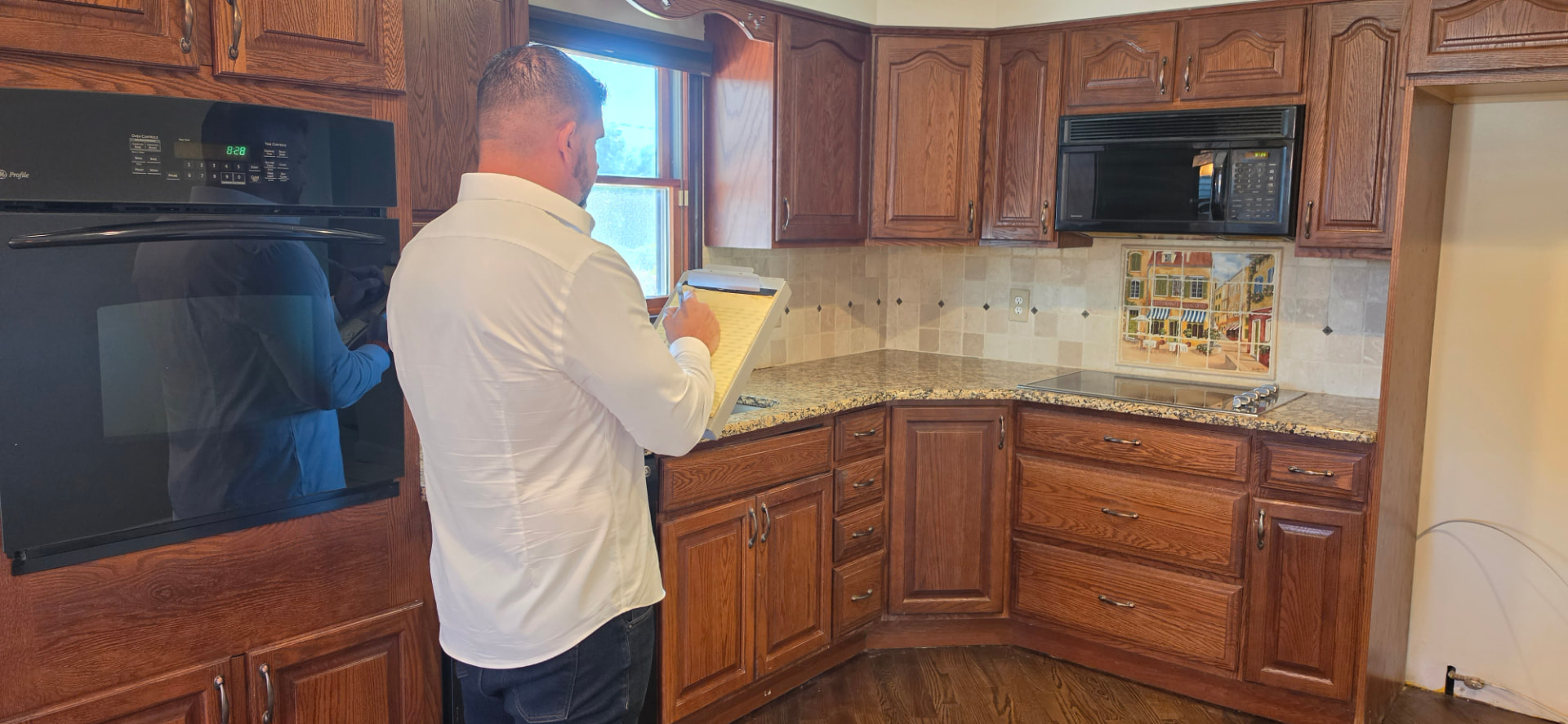
01Walk the property
In person, with a clipboard. Condition, systems, deferred maintenance, what's salvageable.
02Document what's there
Photos and notes so you can see the house clearly, even from another state.
03Put numbers on the options
As-is value, value after work, what that work costs, rent, carrying costs, net at closing.
04Recommend a path — then run it
Cleanouts, contractors, repairs and the sale itself, coordinated locally.
Sometimes selling as-is is the smartest move. Sometimes repairs create significant value. Sometimes waiting is the right decision. My job is to help you see the difference before you commit to any of it.
A recent project
From $400,000 to $795,000
No two houses call for the same plan.
This family lives in Wisconsin. They handled the whole thing from there, and never had to fly back once.
- 01Estimated as-is value
- $380,000–400,000
- 02Investment
- ≈ $50,000
- 03Final sale price
- $795,000
- 04Trips back to Long Island
- 0
The first walkthrough
Nothing had been decided yet
When we first walked through the house, nobody was talking about renovations or listing it for sale.
The first step was simply understanding what was there.
Only after the belongings were removed could we see the true condition of the property and determine whether repairs even made financial sense.
Home still completely furnished
Family living in Wisconsin
Property could not yet be evaluated
Entire project managed locally
The cleanout
What we found
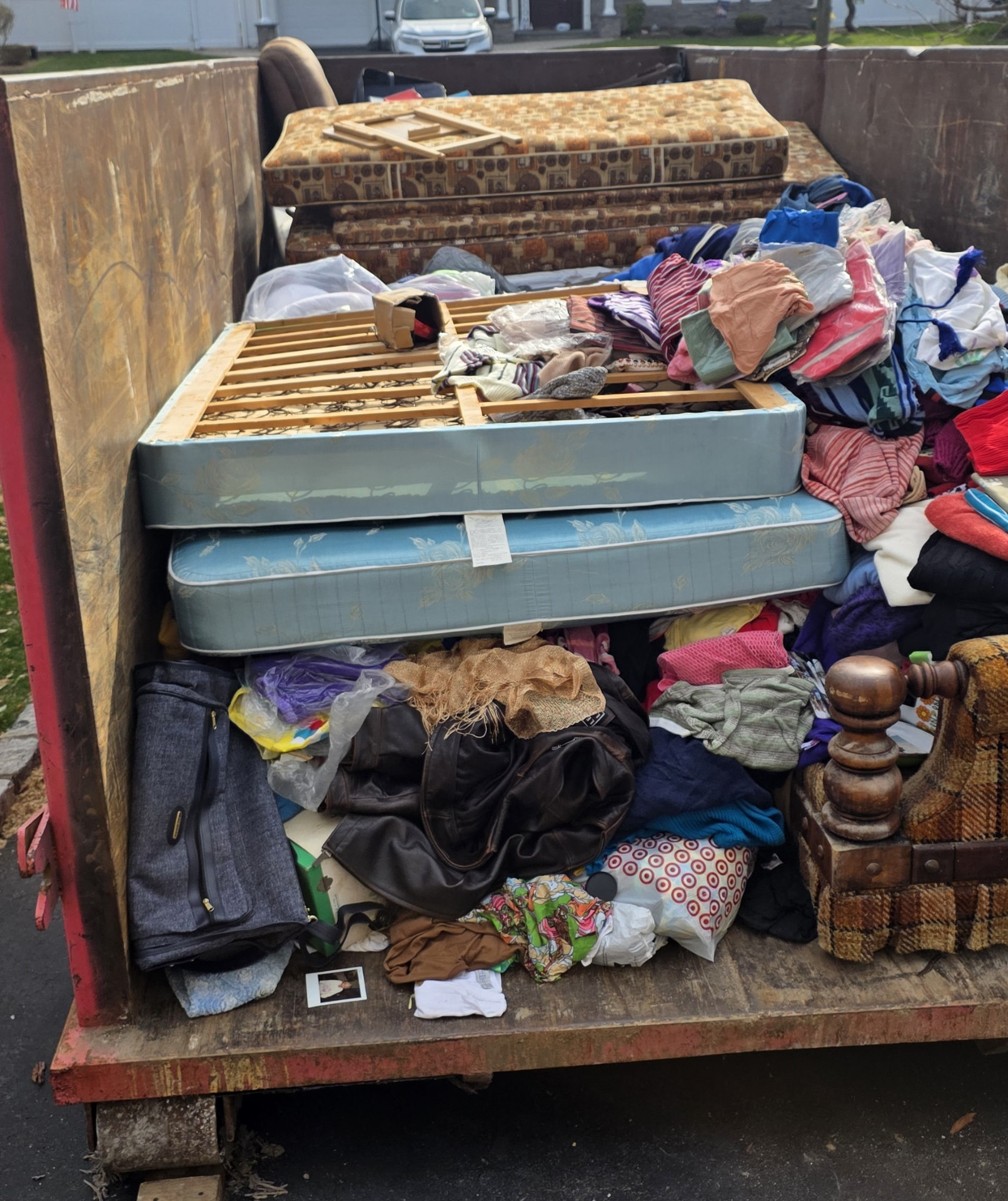
About four 30-yard dumpsters of belongings were removed before anyone could see the house itself.
With the rooms empty, we could document the condition.
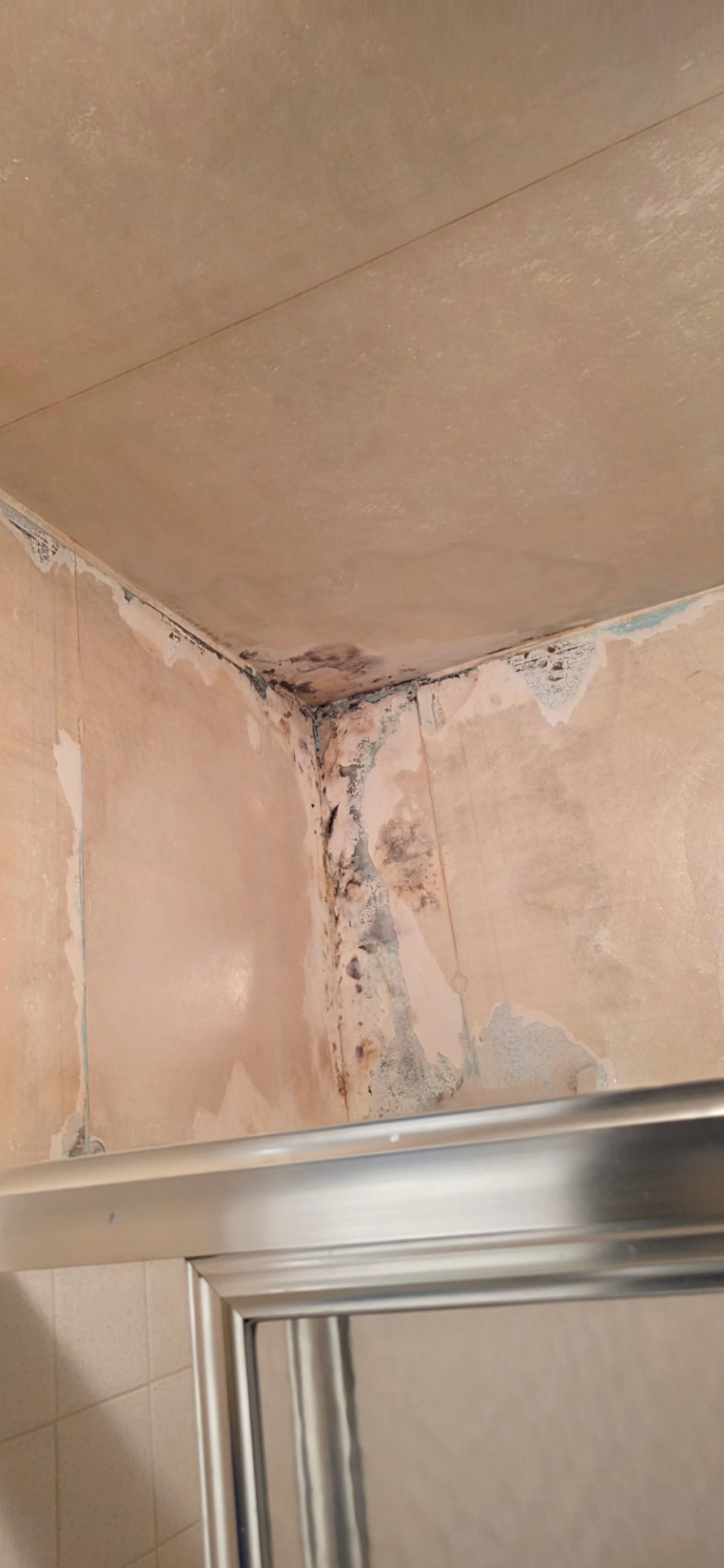
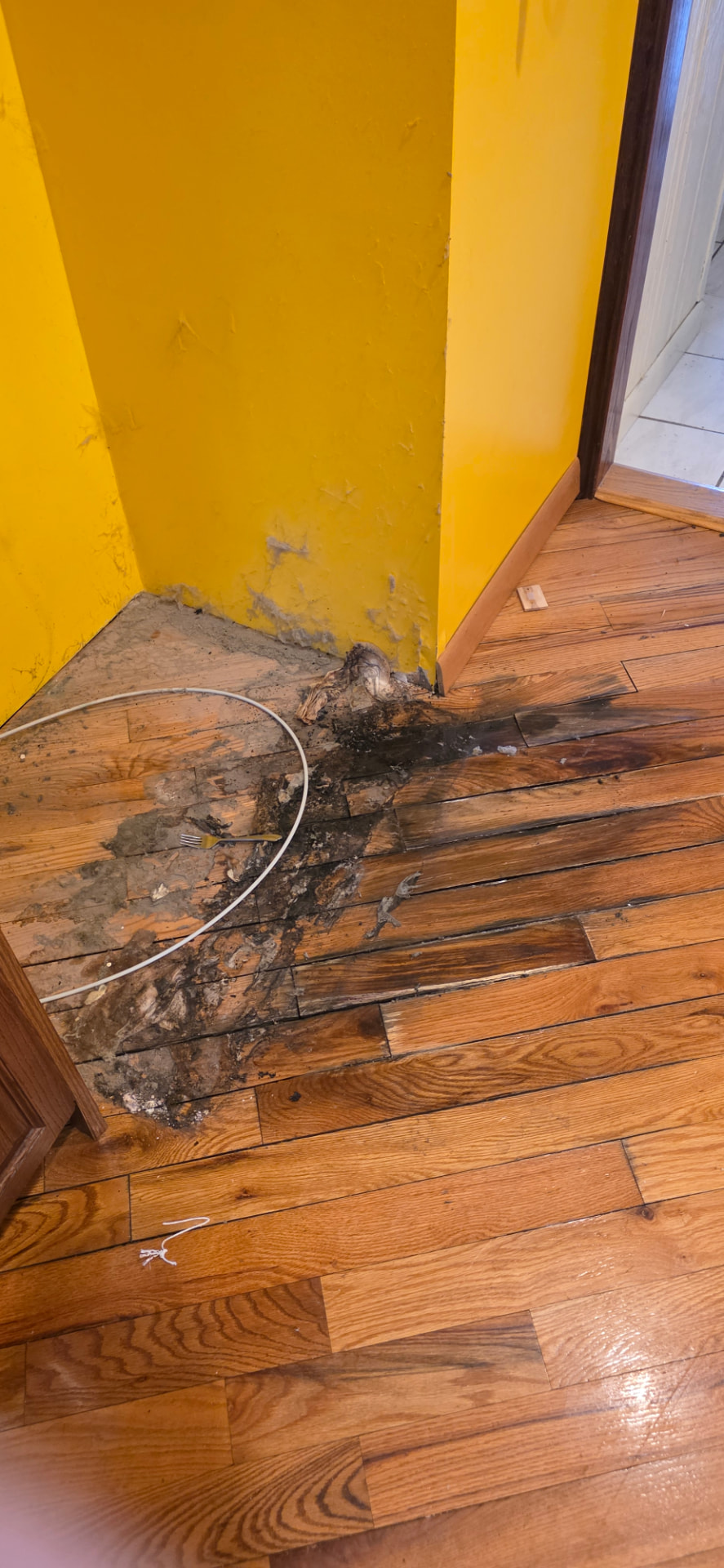
There was mold, flooring that needed to be replaced, and a roof leak. None of it was visible while the house was full.
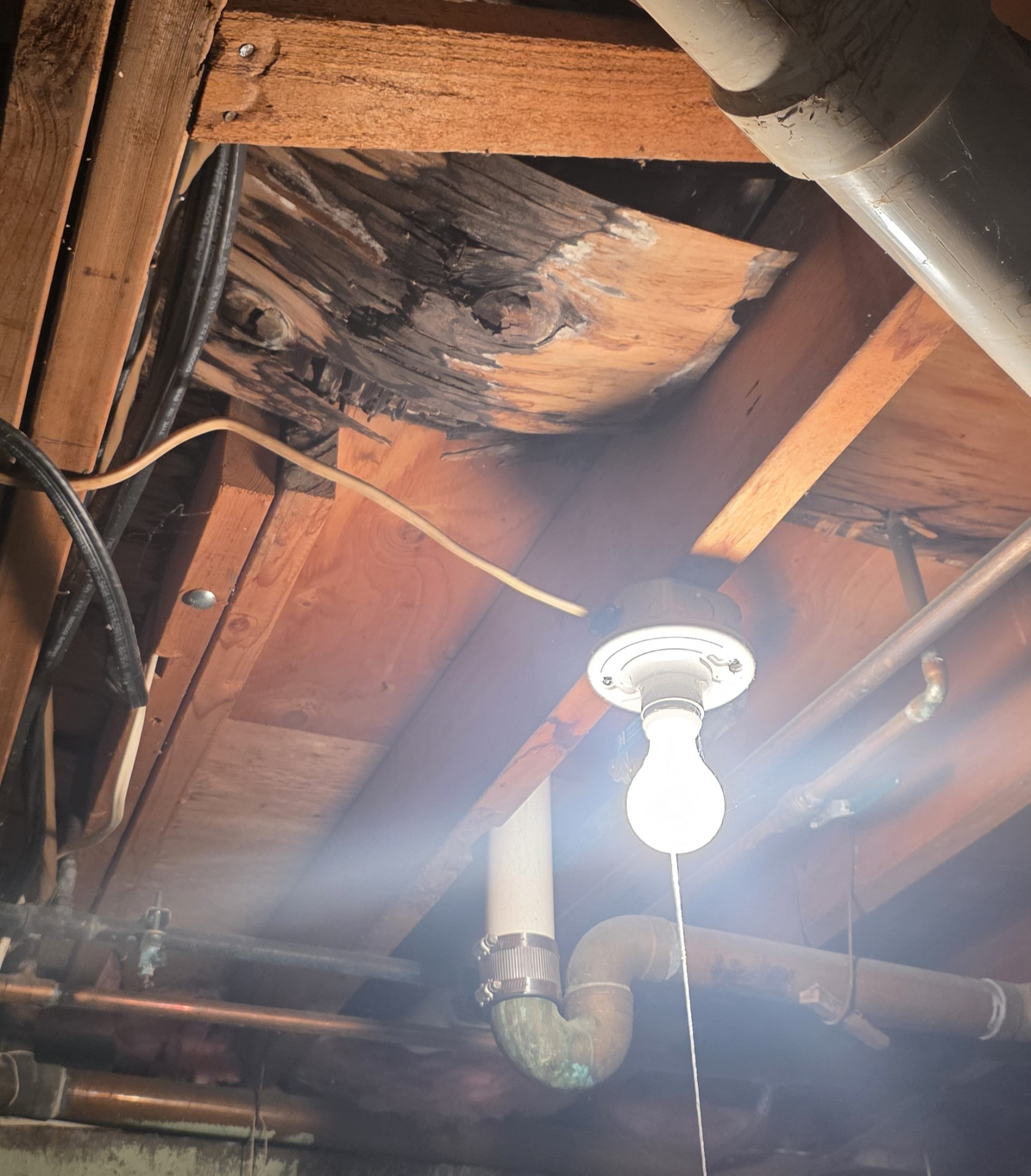
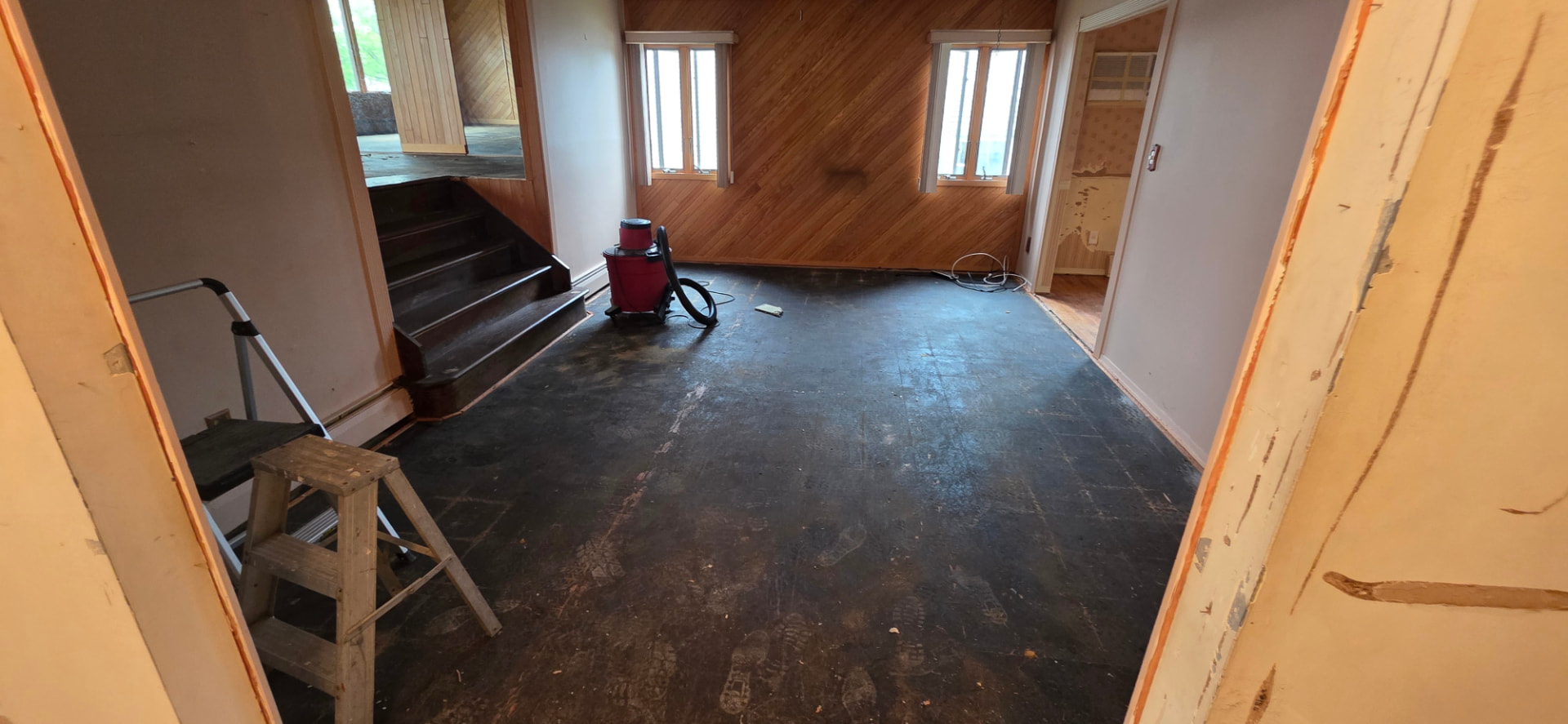
The family originally expected to sell the property for around $400,000. After evaluating the condition and preparing a plan, the home ultimately sold for $795,000.
The decision
Renovating was never the point.
The goal was never to renovate a house.
The goal was to help the family make the best financial decision.
Sometimes that means selling exactly as-is.
Sometimes repairs create substantially more value.
Every property deserves its own recommendation.
How the project ran
The project, start to finish
01
Initial walkthrough
The house, still full, documented as it stood.
02
Estate cleanout
Four 30-yard dumpsters, coordinated locally.
03
Property evaluation
Condition assessed once the rooms were empty.
04
Repairs and project management
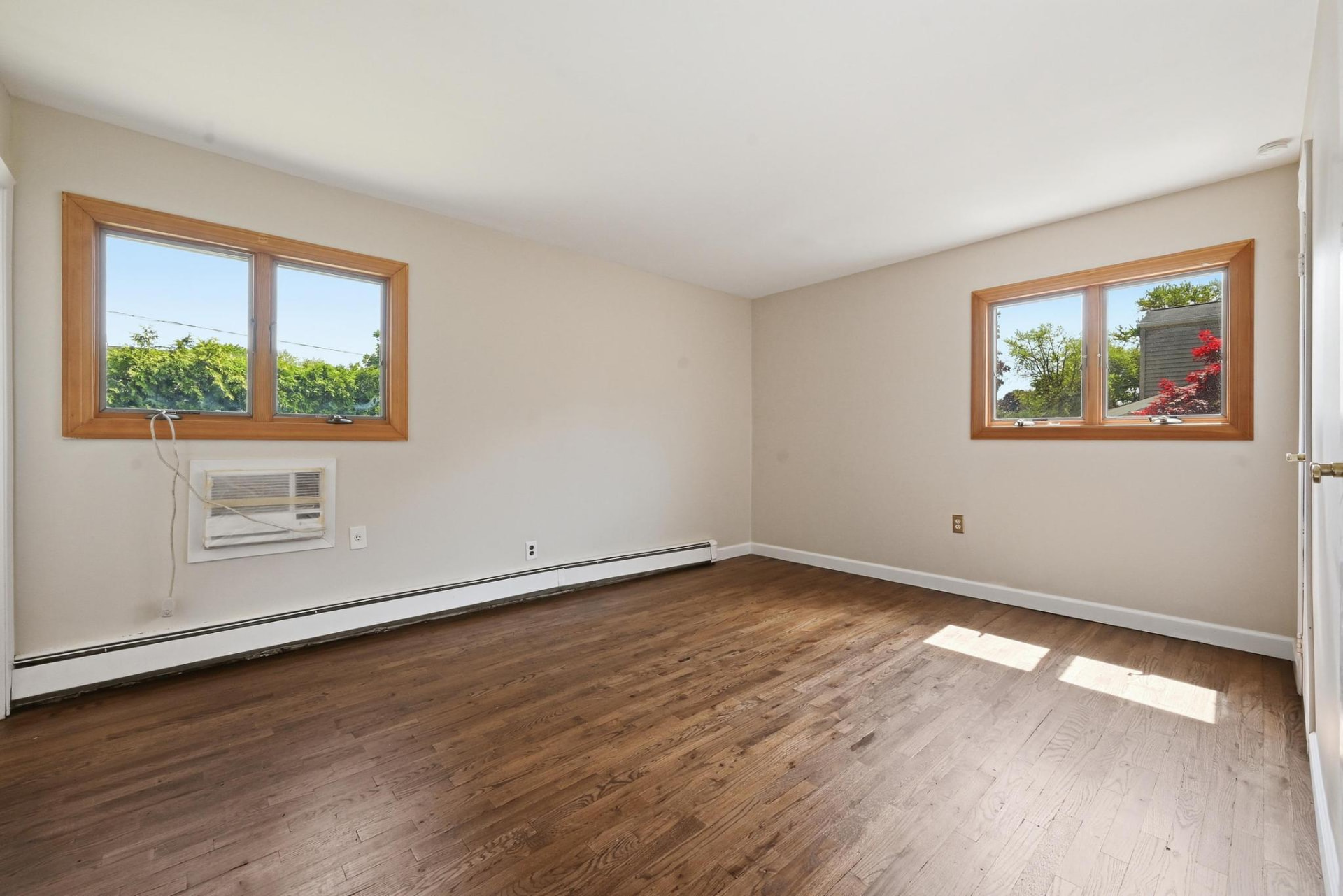
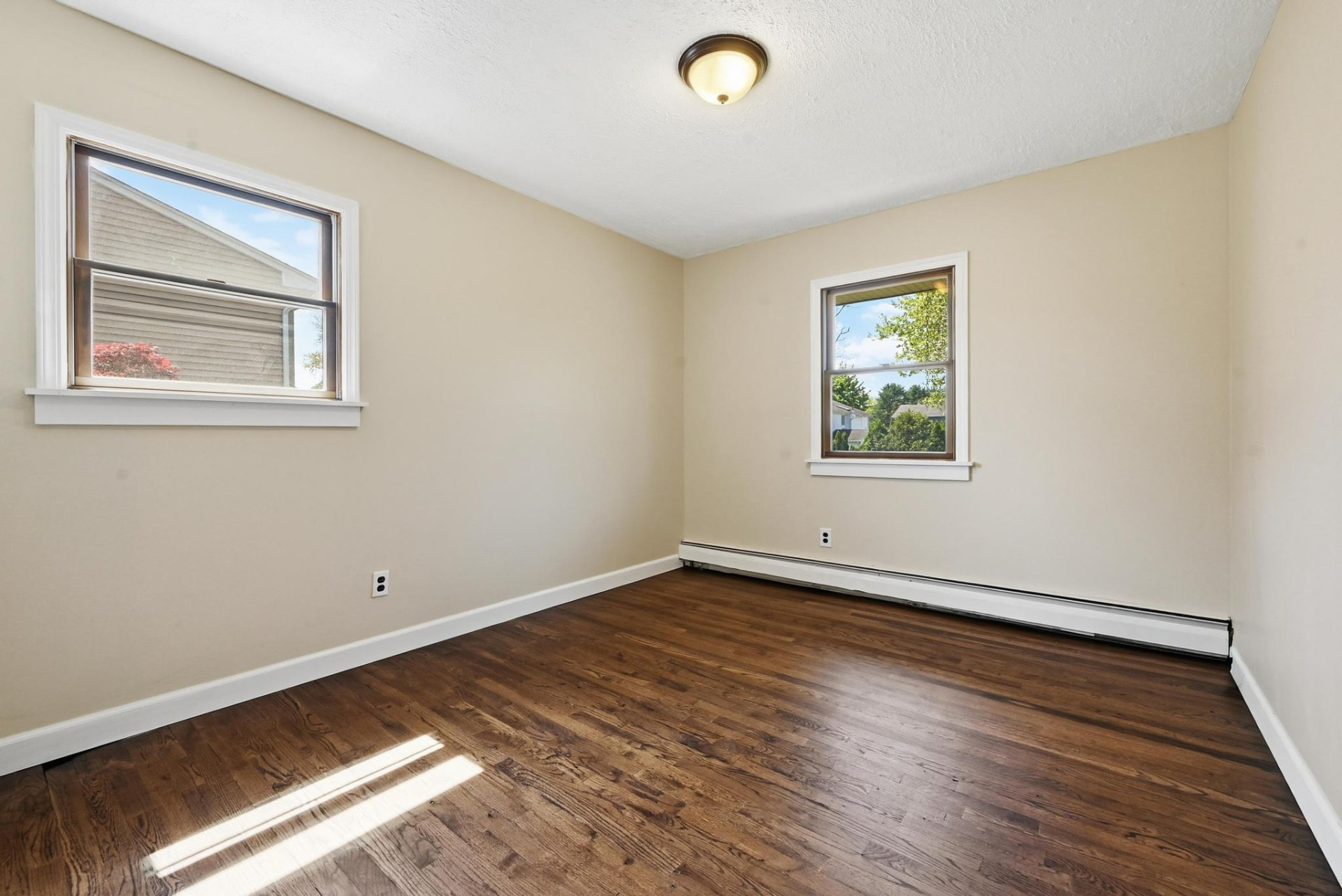
Bedbug remediation, flooring, ceilings, paint.
05
Photography and preparation
The house presented the way buyers see it.
Outcome
Sold for $795,000
Against an as-is estimate of roughly $400,000.
Before and after
Room by room
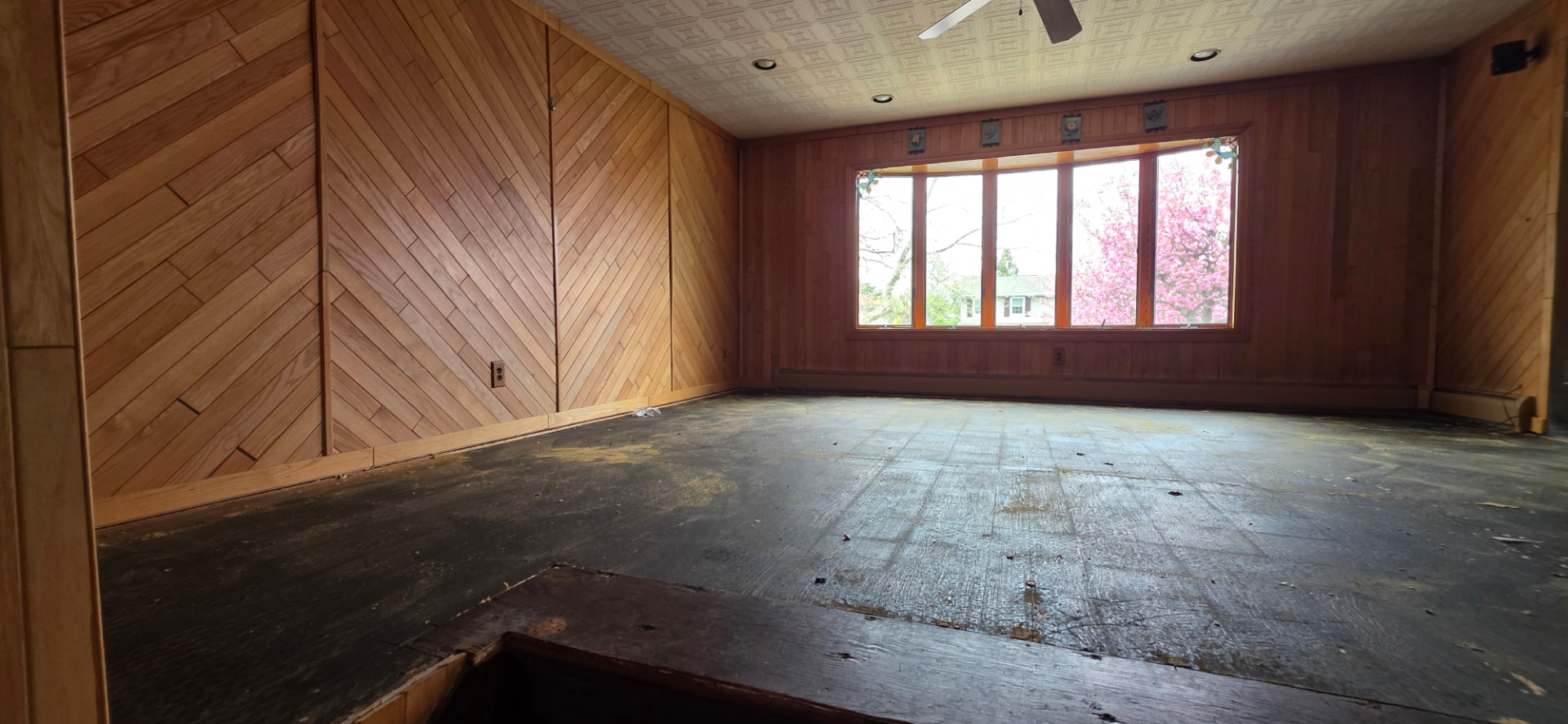
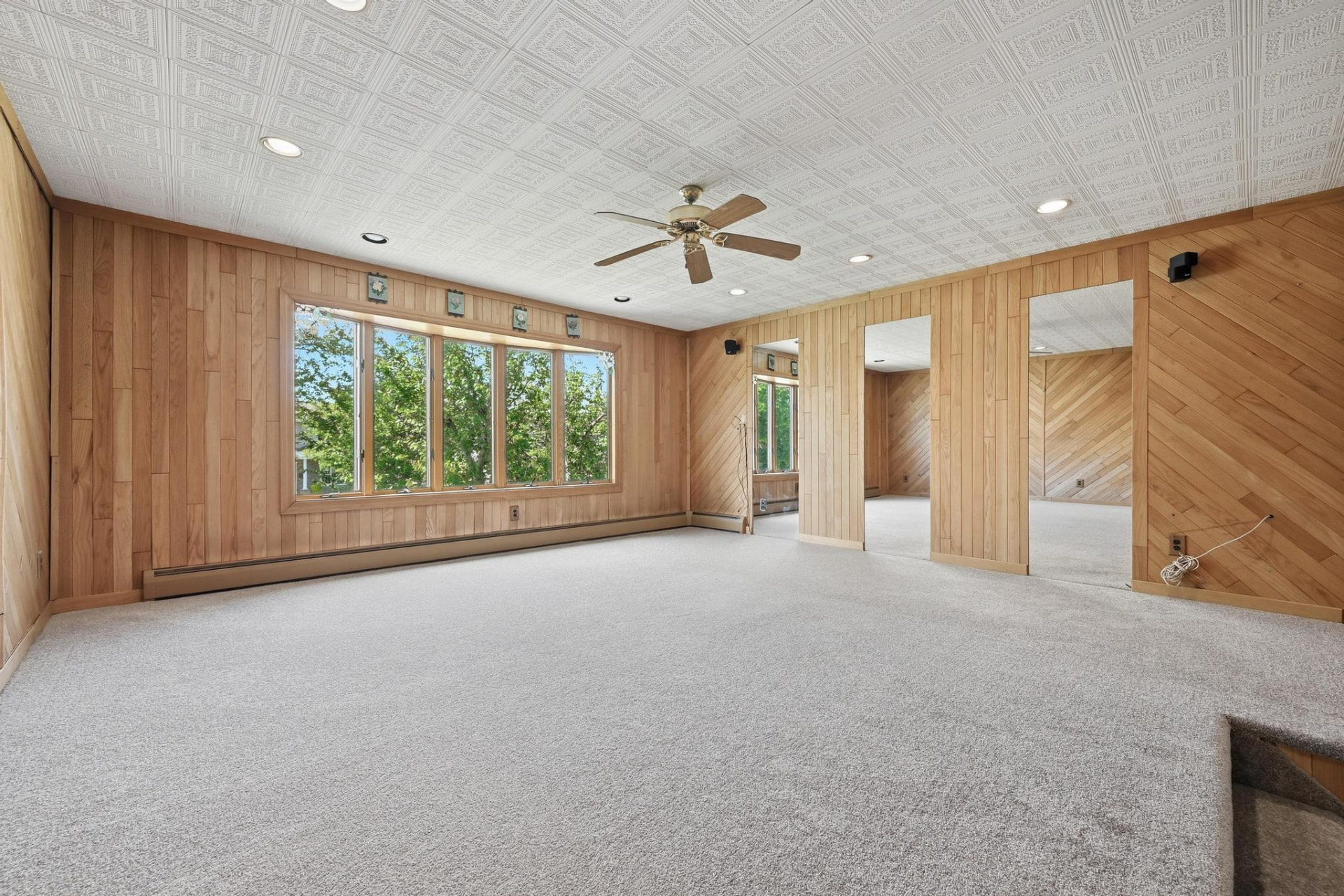
Living room
Before
After
Primary bedroom
Before
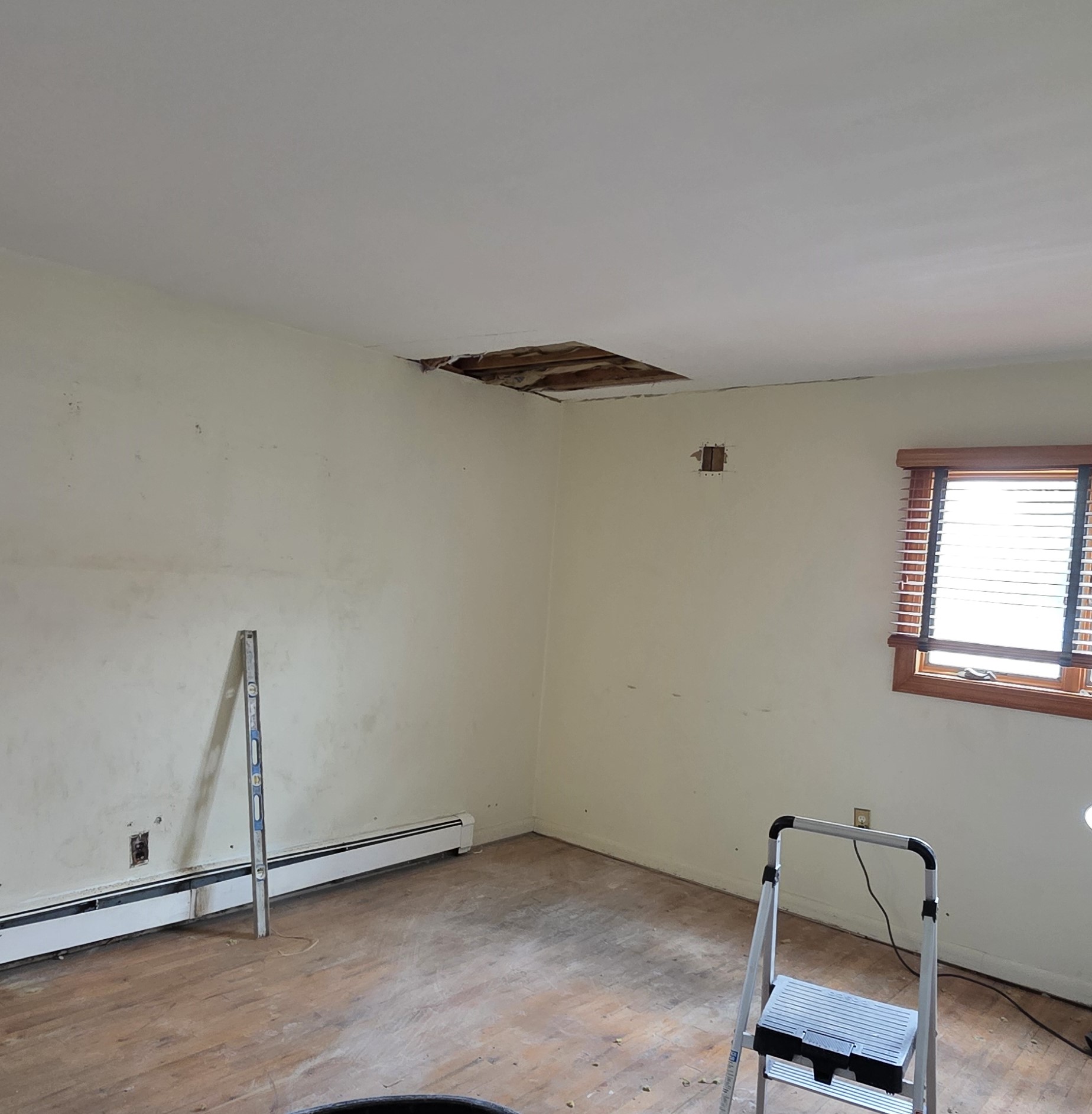
After
Secondary bedroom
Before
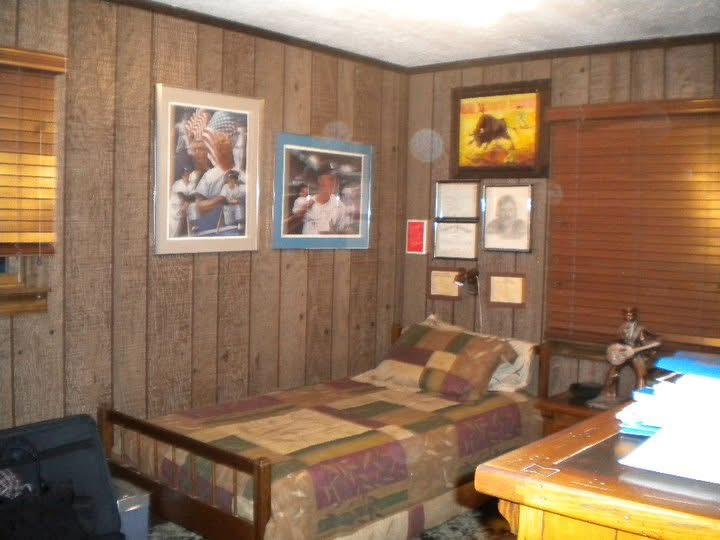
After
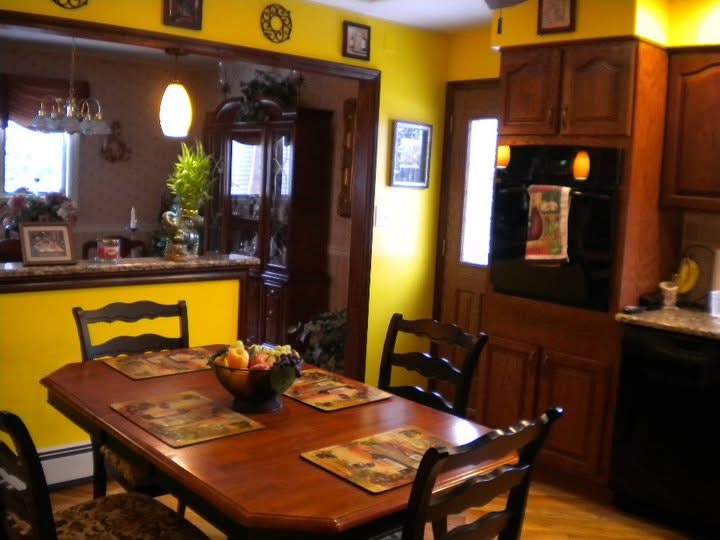
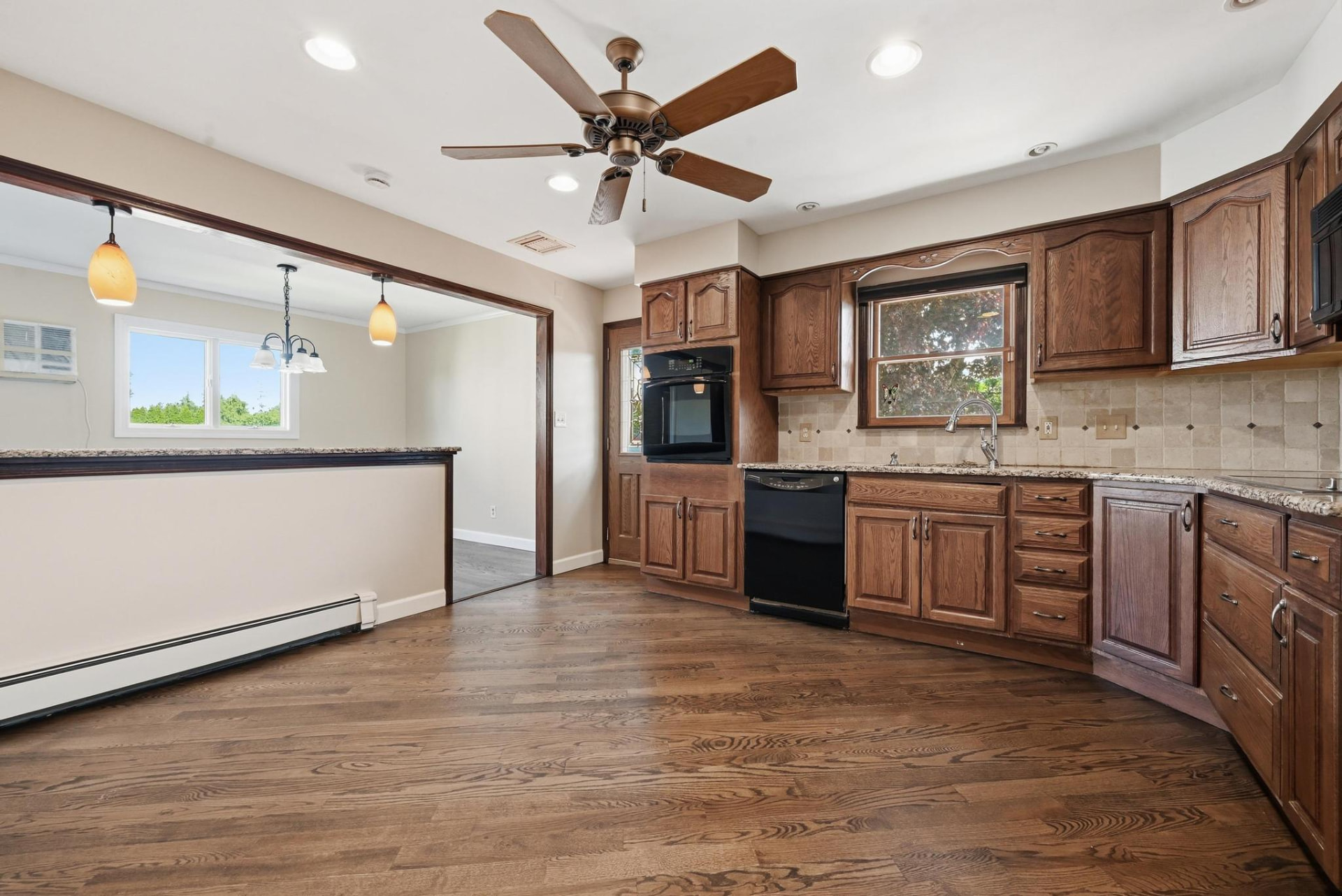
Kitchen
Before
After
From Wisconsin
What the family didn't have to do
- Fly back to Long Island
- Coordinate contractors
- Schedule junk removal
- Manage repairs
- Meet vendors
- Supervise the project
- Wonder whether work was progressing
They got photos, videos and updates as the work went along, and stayed in Wisconsin the entire time.
Where this applies
Situations we help with
Probate
Court-supervised sales, at the pace the process allows.
Inherited homes
Houses left to family who live elsewhere.
Out-of-state owners
Local hands so you don't have to travel.
Vacant homes
Kept secure, maintained and watched.
Homes needing repairs
Deferred maintenance sorted before listing.
Estate sales
Cleanouts handled alongside the sale.
Downsizing
A sale timed around where you're moving next.
Complicated family situations
Multiple owners, or decisions nobody wants.
Every situation is different
Some homes should be sold exactly as they are.
Others benefit from thoughtful preparation before going to market.
The first step is understanding your options before making a major decision.

Who you're calling
Andrew Ragusa
Licensed Real Estate Broker · Serving Long Island & QueensBroker of Record, REMI Realty LLC
11+ years in real estate · 135+ homes sold
I started flipping houses around 2018.
The part I liked most was never the paperwork — it was walking a house, figuring out what it needed, working through the construction, watching it come back together and then bringing it to market.
The same experience turns out to be useful to families who need a property fixed up or cleaned out and sold, but have no interest in running that project themselves.
You speak with me — not an assistant or a rotating team. If a property isn't ready to sell, or shouldn't be touched at all, I'll tell you that too.
In their words
Reviews from past clients
Knowledge Center
Not ready to talk yet?
That's completely okay.
Many homeowners dealing with probate, divorce, inherited property, foreclosure, tenants, major repairs, or other difficult situations want to understand their options before speaking with an agent.
The Long Island Real Estate Knowledge Center contains 38 detailed answers to the questions I hear most often from Long Island homeowners.
Clear, straightforward information — so you can make confident decisions at your own pace.
38 expert answers • 5 topic categories • Fully searchable • Free to access
The hardest part usually isn't selling the house.
The hardest part is figuring out what the right next step actually is — before you spend money, sign anything or commit to a direction.
Sell as-is? Clean it out? Make repairs? Rent it? Wait a year?
After 11+ years and 135+ homes, I've seen each of those be the correct answer. Which one it is depends entirely on the house and on what you need.
You don't need to know the answer today. Tell me about the property and we'll work it out together.
Let's figure out your options.I'll get back to you personally.
You don't need to have everything figured out before contacting me.
If you're not sure what it's worth, whether to fix anything, whether to sell as-is, or whether to sell at all — that's a normal place to start.
So is an estate that's still being sorted out, a house that hasn't been cleaned out, or an owner who lives a thousand miles away.